
The Comprehensive Guide to Dental Cavities: Causes, Symptoms, and Prevention at Alpha Clinics

Dental cavities (also known as tooth decay or caries) are among the most common health problems worldwide. They are not limited to a specific age group; they affect children, teenagers, older adults, and even infants.
At Alpha Dental Clinics, we understand that these cavities begin as tiny, invisible openings or holes on the hard surface of the tooth. However, neglecting them allows them to expand and deepen, causing excruciating pain, and may ultimately lead to an infection (abscess) or the complete loss of the tooth. In this article, we provide you with everything you need to know about tooth decay and how to maintain a healthy, radiant smile.

Symptoms: How Do You Detect Dental Cavities?
In its early stages, tooth decay may not cause any noticeable symptoms, which highlights the importance of regular check-ups at Alpha Clinics. However, as the cavity grows larger, the following symptoms begin to appear:
Sudden or continuous toothache without an apparent cause.
Tooth sensitivity to external stimuli.
Mild or sharp pain when eating or drinking sweet, hot, or cold foods and beverages.
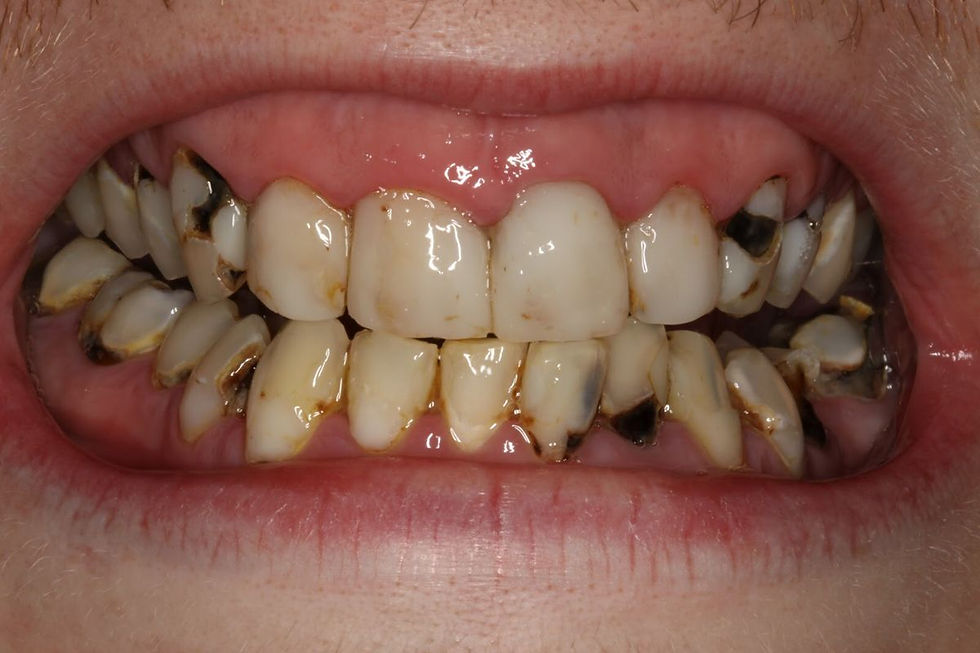
Visible holes or pits in your teeth.
Brown, black, or white staining on any surface of the affected tooth.
Pain or discomfort when chewing or biting.
When should you visit the dentist? Do not wait for the pain! Regular check-ups and professional dental cleanings at the clinic can detect cavities before they become painful. However, if you are already experiencing pain, you should book an appointment at Alpha Clinics as soon as possible to save the tooth.
How Do Cavities Develop? (The Stages of Destruction)
Tooth decay is not a sudden event; rather, it is a gradual process that occurs through the following stages:
Plaque Formation: Dental plaque is a clear, sticky film that coats your teeth, resulting from excessive consumption of sugars and starches combined with poor dental hygiene. The bacteria in your mouth feed on these remnants to form plaque, which can later harden into "tartar." Tartar acts as a protective shield for the bacteria and can only be removed by a dentist.
Enamel Erosion (Plaque Penetration): The bacteria produce acids that attack the minerals in the "enamel" (the hard, outer layer of the tooth). This erosion creates small openings or holes, representing the first stage of cavities. This allows the bacteria and acids to reach the next layer of the tooth (dentin), which is softer and more sensitive.
Reaching the Nerve (Continued Destruction): As tooth decay progresses, the bacteria and acids reach the "dental pulp" (the inner part of the tooth that contains nerves and blood vessels). The pulp becomes swollen and irritated. Because there is no room for the swelling to expand inside the tooth, the pressure presses heavily on the nerve, causing excruciating pain. The damage can also extend to the jawbone or adjacent teeth.
Risk Factors for Developing Cavities
Although everyone is susceptible to cavities, certain factors increase the likelihood of developing them, including:
Tooth Location: Back teeth (molars and premolars) are more prone to decay because they have grooves, pits, and crevices that can collect food particles and are harder to clean compared to the smoother front teeth.
Certain Foods and Drinks: Foods that cling to your teeth for a long time (such as milk, honey, sweets, sodas, and potato chips) pose a higher risk than foods that are easily washed away by saliva.
Frequent Snacking: Frequent snacking and sipping on sugary drinks provide mouth bacteria with a continuous fuel source to produce destructive acids.
Baby Bottle Tooth Decay: Feeding infants at night and leaving a bottle of milk or juice in the baby's mouth while they sleep can destroy their primary teeth.
Lack of Fluoride: Fluoride is a magical mineral that protects teeth and can reverse the early stages of tooth decay.
Dry Mouth: Saliva helps wash away food particles and neutralizes acids. A lack of saliva (due to certain medications or medical conditions) significantly increases the risk of cavities.
Heartburn and Eating Disorders: Gastroesophageal reflux disease (GERD/heartburn) and frequent vomiting cause strong stomach acids to reach the mouth, rapidly wearing away tooth enamel.
Worn-out Fillings: Old, broken, or loose fillings allow bacteria to accumulate underneath them, necessitating their replacement.
Serious Complications of Neglecting Treatment
It may start with a small hole, but it can end with complications that affect your quality of life, such as:
Continuous pain that interferes with your daily activities or sleep.
A dental abscess (a dangerous pocket of pus).
Difficulty chewing, which can lead to malnutrition and weight loss.
Tooth breakage or the need for extraction, which affects your appearance and self-confidence.
In rare cases, a dental abscess can spread, causing a life-threatening infection.
Your Guide to Preventing Cavities (Tips from Alpha Clinics)
Because prevention is better than cure, the doctors at Alpha Clinics advise you to follow these golden guidelines:
Smart Brushing: Brush your teeth twice a day (preferably after every meal) using a fluoride-based toothpaste. Don't forget to use dental floss or a water flosser to reach the areas your brush cannot.
Use Mouthwash: If you are prone to cavities, our dentist may prescribe a mouthwash containing fluoride or antibacterial agents (like Chlorhexidine).
Dental Sealants: At Alpha Clinics, we offer the application of a protective plastic coating on the chewing surfaces of back teeth for both children and adults. This seals the grooves, preventing food and bacteria from accumulating in them, and this protection lasts for years.
Therapeutic Fluoride Treatments: We provide concentrated fluoride treatments to strengthen tooth enamel for individuals at higher risk of cavities.
Tooth-Friendly Diet: Reduce snacks and sugars, and rely on fresh fruits and vegetables that stimulate saliva production. Chewing sugar-free gum (especially those containing Xylitol) also helps clean teeth after meals.
Regular Visits: This is the most crucial step. Visiting us at Alpha Clinics every 6 months for a comprehensive check-up and professional tartar cleaning ensures any problem is detected in its infancy and treated with the simplest methods (such as cosmetic fillings) before it reaches the nerve.
Don't leave your teeth prey to cavities! At Alpha Dental Clinics, we provide you with the latest early diagnostic equipment and the best cosmetic filling materials that restore your teeth's natural shape and strength without any pain. [Book your appointment now to check on your dental health] and enjoy a healthy smile that lasts a lifetime.


Comments