
Bleeding Gums During Pregnancy: Causes, Symptoms, and Safe Treatments at Alpha Clinics

The pregnancy journey is one of the most beautiful periods in any mother's life, but it comes accompanied by many physical changes due to hormonal fluctuations. Many women may be surprised by the appearance of blood when brushing their teeth or experiencing an uncomfortable swelling in the gums during this time.
If you are going through this, do not worry, you are not alone! Medical statistics indicate that 60% to 75% of pregnant women suffer from this condition, which is medically known as "Pregnancy Gingivitis".
We at Alpha Dental Clinics fully understand the sensitivity of this stage, and we deeply care about your health and the health of your baby. Therefore, we have prepared this comprehensive guide for you to understand the causes of bleeding gums during pregnancy, and how to deal with it and treat it with complete safety.

What is Pregnancy Gingivitis and Bleeding Gums?
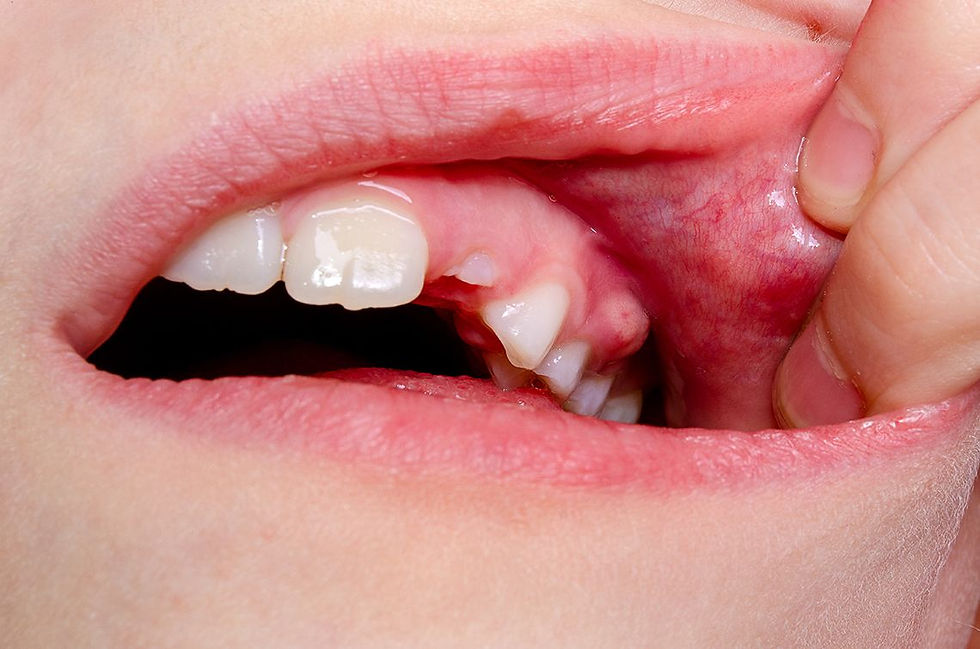
It is a form of gum disease that occurs specifically during pregnancy. Its symptoms usually begin to appear during the first trimester and often peak in the second or third trimester. This inflammation causes the gums to become more fragile, swollen, and prone to bleeding at the slightest friction, such as brushing or flossing.
Why Do Pregnant Women Experience Bleeding Gums? (Main Causes)
This bleeding does not happen out of nowhere; rather, several factors combine during pregnancy to irritate oral tissues. The most prominent include:
The Hormonal Storm (The Primary Cause): The significant increase in estrogen and progesterone levels is essential for the baby's growth, but in return, it leads to increased blood flow to the gum tissues, making them swollen and highly sensitive. These hormones also alter how the gums react to "plaque" (the bacteria accumulated on teeth), causing an exaggerated immune response that leads to inflammation and bleeding.
Morning Sickness and Frequent Vomiting: Many pregnant women suffer from morning sickness and vomiting. Vomit contains strong stomach acids, and when they repeatedly come into contact with the teeth and gums, they cause the erosion of tooth enamel and severe gum irritation.
Changes in Dietary Habits (Pregnancy Cravings): A pregnant woman's desire to consume sugary foods, starches, or acidic foods often increases. This change in diet provides an ideal environment for the multiplication of bacteria that cause cavities and gum inflammation.
Changes in Saliva Production: Saliva production may decrease during pregnancy, or it may become more acidic than usual. Saliva is the mouth's natural wash that neutralizes acids and washes away food particles; its deficiency increases the likelihood of gum disease.
Aversion to Oral Care Products (Heightened Senses): A pregnant woman's senses of smell and taste become very acute. The taste or smell of toothpaste (especially strong mint flavors) may cause her to feel nauseous, prompting some women to neglect brushing their teeth, leading to the accumulation of plaque and tartar.
Symptoms: When Should You Pay Attention?
In addition to seeing blood when spitting out toothpaste, there are other symptoms that indicate pregnancy gingivitis:
Redness of the gums and a change in their natural color (pink) to dark red.
Noticeable swelling and puffiness in the gums.
Feeling pain or tenderness when touching the gums or while chewing food.
Increased tooth sensitivity to cold or hot beverages.
An unpleasant breath odor.
In some advanced cases, you may feel slight looseness in some teeth.
Do Bleeding Gums Pose a Risk to the Baby?
In its early stages (mild gingivitis), it does not pose a direct threat. However, the danger lies in neglecting the treatment. If gum inflammation is left without intervention, it can develop into what is known as "Periodontitis". Modern medical research indicates that the bacteria causing periodontitis can travel through the bloodstream to reach the uterus, which increases the likelihood of serious complications such as:
Preterm birth.
Low birth weight.
Therefore, taking care of your oral health is an integral part of taking care of your expected baby's health.
Alpha Clinics' Tips for Prevention and Home Care for Pregnant Women
Here are the most important guidelines we recommend for mothers-to-be to maintain a healthy smile throughout pregnancy:
Gentle Brushing: Use a toothbrush with "extra soft bristles" and a small head to avoid triggering the gag reflex, and brush your teeth twice a day very gently.
Proper Handling of Morning Sickness: A common mistake is brushing your teeth immediately after vomiting! Acids temporarily weaken the enamel, and immediate brushing can cause it to erode. The correct way: Rinse your mouth with plain water or water containing a teaspoon of baking soda to neutralize the acidity, and wait 30 minutes before using a toothbrush.
Warm Saltwater Rinse: Use a warm solution of water and salt (half a teaspoon of salt in a cup of warm water) as a daily mouthwash to reduce swelling and inflammation naturally and safely.
Using Dental Floss: Do not skip daily flossing; it is the only way to remove plaque hiding between the teeth that the brush cannot reach.
Proper Nutrition: Focus on foods rich in Vitamin C, Vitamin B12, and Calcium, and minimize added sugars as much as possible.
When Should You Visit Alpha Clinics? And How is it Treated?
Many pregnant women are afraid to visit the dentist, believing that the treatment is unsafe for the baby. This is a completely wrong misconception! Routine dental visits during pregnancy (especially in the second trimester) are completely safe and highly necessary.
At Alpha Dental Clinics, we provide you with customized and safe care that includes:
Professional Cleaning Sessions (Scaling): The first and most important step to treat bleeding gums is removing the hardened tartar (calculus) and accumulated plaque using safe ultrasonic devices, which removes the cause of inflammation and stops the bleeding.
Prescribing Pregnancy-Safe Medications: If the need arises, our doctors will prescribe an alcohol-free medical mouthwash, and antibiotics or painkillers classified as completely safe drugs (FDA Category B) that do not affect the baby at all.
Oral Health Monitoring: We will guide you on the best way to care for your teeth and avoid any cavities that may occur during this sensitive period.
Do not let gum pain and bleeding disturb the peace of this beautiful phase of your life. We at Alpha Dental Clinics are ready to welcome you in a comfortable, sterile environment equipped with the latest technologies to ensure your comfort and your baby's safety.
[Book your appointment now to check on the health of your teeth and gums] and enjoy a healthy pregnancy and a radiant smile!


Comments