
The Comprehensive Guide to Dental Abscesses: Causes, Symptoms, and Treatments at Alpha Clinics

At Alpha Dental Clinics, we understand the severe pain and discomfort caused by a sudden toothache. One of the conditions that most frequently requires urgent medical intervention is a "dental abscess."
A dental abscess is a pocket of pus that develops inside the teeth, gums, or the bone anchoring the teeth in place, and it is caused by a bacterial infection. These abscesses do not resolve on their own and always require professional treatment and intervention by a dentist.
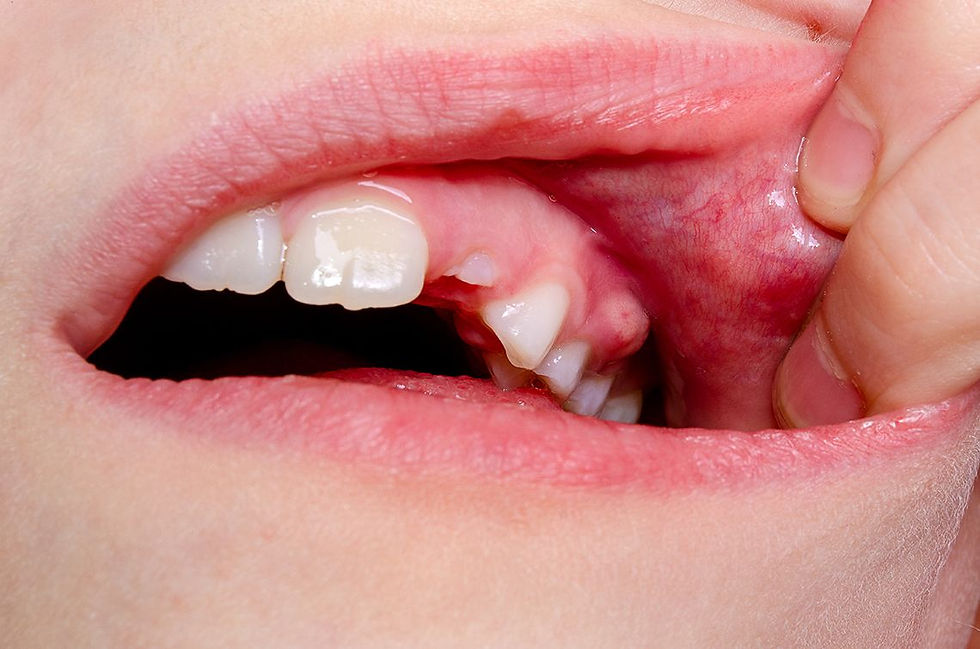
What is the Difference Between a Gum Abscess and a Tooth Abscess?
The type of abscess varies depending on where it develops:
Tooth Abscess (Periapical Abscess): This affects the dental nerve and forms at the end (tip) of the tooth's root. It usually occurs due to neglected treatment of tooth decay, allowing bacteria to penetrate the deep parts of the tooth (the pulp and nerve), causing swelling and inflammation.
Gum Abscess (Periodontal Abscess): This is a localized accumulation of pus inside the gum wall, next to the tooth root. It is more common in patients who have a history of gum inflammation and periodontal pockets.
What Does a Dental Abscess Look Like?
To the Naked Eye: A dental abscess can be identified by its appearance. It looks like a swollen red bump, a boil, or a pimple on the gum near the affected tooth, and it may be filled with pus. The abscess can also cause a noticeable change in the color of the affected tooth, making it look gray or dark yellow due to the death of the dental pulp.
In X-rays: At Alpha Dental Clinics, we use the latest digital X-ray devices to diagnose abscesses that are not immediately visible to the naked eye. These images reveal the extent of the infection's spread in the bone surrounding the root and help us determine an accurate treatment plan.
Symptoms: How Do You Know if You Have an Abscess?
Indicators of a dental abscess (whether in front or back teeth) include:
Severe, persistent, and throbbing toothache that can sometimes radiate to the jawbone, neck, or ear.
Noticeable swelling in the cheeks or face.
The appearance of a round, pus-filled bump (boil) under the tooth or on the gums.
Severe pain or discomfort from hot or cold beverages.
Pain when applying pressure to the tooth while chewing or biting, accompanied by difficulty swallowing.
An elevation in body temperature (fever).
Swollen lymph nodes under the jaw or in the neck that feel tender to the touch.
Foul and unpleasant breath, and a salty or foul taste in the mouth (especially if the abscess ruptures).
Causes and Risk Factors
A tooth is hard on the outside, but its inside is filled with "pulp," which consists of nerves, connective tissues, and blood vessels. Infection occurs and reaches the pulp due to:
Deep tooth decay that has been neglected.
Gum disease (periodontal disease).
A crack or fracture in the tooth that allows bacteria to enter.
Can an Abscess Appear After a Root Canal?
Yes, in some cases, an abscess can form after a root canal filling due to:
Bacteria entering the tooth during treatment (which is why at Alpha Clinics, we adhere to the highest standards of sterilization and isolation).
A long delay before placing a crown to protect the tooth.
An invisible crack occurring in the tooth root.
Factors That Increase the Risk of Infection:
Poor Dental Hygiene: Neglecting to brush teeth twice a day and not using dental floss.
Sugary Diet: High consumption of sweets and carbonated drinks.
Dry Mouth: Which reduces the saliva that naturally washes away bacteria.
How is a Dental Abscess Diagnosed and Treated at Alpha Clinics?
Upon your visit to us, the dentist will manually examine you and lightly tap on the tooth (if the pain increases, it is a strong indicator of an abscess). Then, an X-ray is taken to confirm the diagnosis.
Treatment at Alpha Clinics is divided into two complementary paths:
1. Medical Treatment (Medication)
Antibiotics are an essential part of the treatment journey to stop the spread of infection (such as Penicillin, Amoxicillin, or Metronidazole), in addition to painkillers and anti-inflammatories. (Note: These should only be taken with a prescription from our doctors).
2. Medical and Surgical Intervention
Incision and Drainage: If antibiotics are not enough, the doctor will make a very small incision in the abscess to drain the pus, then wash the area with sterile saline.
Root Canal Treatment (Endodontics): This is the most effective procedure to save the tooth. We remove the damaged nerve, clean the canals, drain the abscess through them, then fill the root and place a crown to protect the tooth.
Tooth Extraction: We resort to this as a last option if the tooth is severely damaged and cannot be saved, in order to prevent the infection from spreading to other parts of the body.
Recovery Time and Post-Treatment Instructions
Symptoms usually improve within a few days, but complete healing of the bone may take weeks. We recommend our patients to:
Rinse with warm salt water daily.
Adhere strictly to the prescribed medications.
Avoid hard, spicy, or very hot foods until fully recovered.
Frequently Asked Questions
When does a dental abscess turn into a tumor? A dental abscess does not turn into a tumor (in the sense of a cancerous or benign mass). However, the abscess causes swelling as a result of pus formation, which is the immune system's reaction to attack the bacteria. If this pus is not drained, the swelling and redness in the face and gums will increase.
Can a dental abscess reach the brain? In cases of complete negligence and avoiding treatment, yes. A dental abscess can spread to the jawbone and the soft tissues of the face and neck. In very rare and dangerous cases, bacteria can travel through the bloodstream to the heart (causing endocarditis) or to the brain (causing bacterial meningitis).
Other Serious Complications of Neglecting Treatment:
Dental Cysts: A fluid-filled cavity below the root that may require surgical intervention.
Bone Infection (Osteomyelitis): Bacteria transferring to the jawbones, causing severe pain and fever.
Maxillary Sinusitis: Bacteria spreading to the sinuses behind the cheeks.
Ludwig's Angina: A severe and potentially fatal inflammation affecting the floor of the mouth and neck, which can block the airway and cause extreme difficulty in swallowing.
Your Guide to Preventing Dental Abscesses
Prevention is better than cure. At Alpha Clinics, we advise you to do the following:
Brush your teeth twice a day (for two minutes) with fluoride toothpaste, especially before bed.
Use a soft-bristled brush and angle it at 45 degrees towards the gums.
Use medical dental floss daily to clean between the teeth.
Reduce sugars and replace them with vegetables, fruits, and proteins to support tooth strength.
Treat dry mouth if it exists, in consultation with your doctor.
Regular Visits: Visit the dentists at Alpha Clinics every 6 months for a routine check-up and tartar removal, even if you do not feel any pain.
Your health is your most precious asset, and your smile is the first thing others notice. At Alpha Dental Clinics, we are here to provide the best medical care, thanks to our outstanding medical team and the latest painless digital dental technologies.
Don't leave your teeth vulnerable to complications... [Book your appointment now] and let us take care of your oral health!


Comments