
The Comprehensive First Aid Guide for Toothaches: What to Do Until You Visit Alpha Clinics?

A toothache is one of the most annoying and sudden pains that can completely disrupt your day, prevent you from carrying out your normal life, affect your focus at work, and even deprive you of a peaceful night's sleep. We at Alpha Dental Clinics completely understand how severe this pain can be, and we realize that you may not always be able to reach the clinic the exact moment the pain starts, especially if it strikes in the middle of the night or over the weekend.
Therefore, we have prepared this comprehensive medical guide that explains the causes of this pain in detail and provides you with safe and effective first aid steps you can take at home to temporarily relieve the pain until your visit to our clinic.

Why Do We Get Toothaches? (Common and Hidden Causes)
To understand how to deal with the pain, we must first know its source. There are multiple reasons that can irritate the tooth nerve and cause pain, the most prominent of which are:
Tooth Decay (The First and Most Common Cause): Cavities are the number one enemy of both children's and adults' teeth. The story begins when the bacteria naturally present in your mouth feed on leftover sugars and starches. These bacteria produce a sticky film (plaque) that adheres to the surface of your teeth and secretes strong acids. These acids erode the "enamel," creating a cavity. In its early stages, you may feel an annoying sensitivity when consuming sweets or hot and cold drinks.
Trapped Food Particles: The accumulation of food debris between the teeth, especially fibrous foods or meat, causes continuous pressure on the gums and severe irritation. The problem worsens if there are natural gaps between your teeth or tartar buildup that prevents food from easily dislodging.
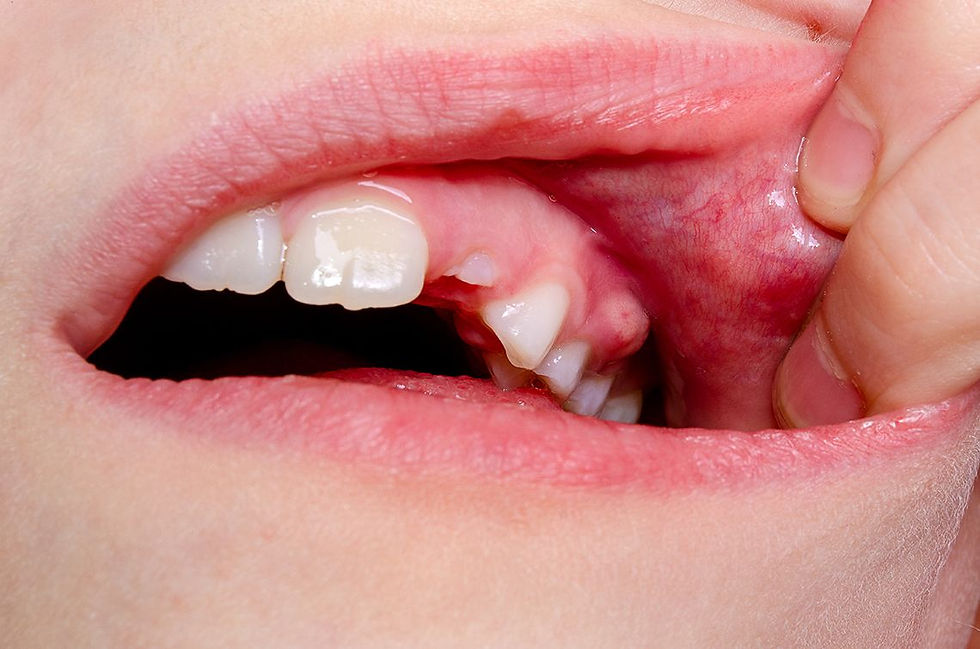
Infection and Dental Abscess: When decay reaches the tooth nerve and is left untreated, the nerve tissue dies, and a bacterial infection develops in the roots or surrounding gums. This leads to painful swelling and the formation of pus-filled pockets (an abscess). This pain is usually throbbing, continuous, and does not subside with normal painkillers.
Tooth Fractures and Cracks: A tooth can crack as a result of biting on very hard objects or due to direct trauma. Additionally, old and worn-out fillings can crack over time, exposing the sensitive inner layers of the tooth to external elements.
Teeth Grinding (Bruxism): Many people clench or grind their teeth forcefully during sleep due to stress or anxiety. This continuous pressure strains the ligaments surrounding the tooth and wears away the enamel layer, causing severe pain in the teeth and jaw muscles upon waking up.
Tooth Eruption and Wisdom Teeth: Localized gum pain is common when wisdom teeth try to push through in adults. The problem often lies in impacted wisdom teeth that do not have enough space to grow, pressing against adjacent teeth and causing severe pain and inflammation.
Sinusitis (Referred Pain): Due to the close proximity of the roots of the upper back teeth to the sinus cavities, congestion and inflammation of the sinuses (especially during colds or allergies) can make you feel pressure and pain in your upper teeth, even though your teeth might be perfectly healthy.
First Aid: Self-Care Steps at Home
Always remember that these steps aim to temporarily relieve the pain, not treat the root of the problem. Here is what Alpha Dental Clinics advises you to do to control the situation:
Warm Saltwater Rinse: Dissolve half a teaspoon of salt in a glass of warm water, rinse your mouth thoroughly for several seconds, and then spit it out.
Gentle Flossing: Use medical dental floss very carefully around the aching tooth to remove any trapped food particles that might be causing pressure.
Use Over-the-Counter Painkillers: Take non-prescription pain relievers (like Ibuprofen) at the recommended doses to reduce inflammation and pain.
Cold Compresses: If there is swelling in the face, place a towel wrapped around ice cubes on the outside of your cheek for 15 minutes.
Clove Oil (A Natural Anesthetic): Place a very small drop of medical clove oil on a cotton swab and gently rub it on the aching tooth (avoid touching the gums too much).
Elevate Your Head While Sleeping: If the pain strikes at night, try sleeping with an extra pillow to keep your head elevated above the level of your body.
Avoid Irritants: Completely abstain from eating extremely hot, cold, or sweet foods, and avoid chewing on the painful side of your mouth.
Detailed Medical Explanation: Why Do These Remedies Work? And How to Avoid Mistakes?
In this section, the doctors at Alpha Clinics explain the medical secrets behind these steps so you can perform them more effectively and safely, and we warn you against some disastrous mistakes:
1. The Secret Behind the Saltwater Rinse (Osmosis)
Salt and water work based on a physical phenomenon known as "osmosis." The salt draws out excess fluids present in the swollen gum tissues, which relieves pressure on the nerve and immediately reduces pain. It also sanitizes the mouth and reduces bacterial activity.
2. Why Does Elevating the Head During Sleep Help? (Reducing Blood Pressure)
Lying flat causes blood to rush forcefully towards the head, increasing the blood pressure inside the blood vessels supplying the inflamed tooth. This explains why the "throbbing pain" worsens at night. Elevating the head with an extra pillow reduces this pressure and eases the painful throbbing.
3. How Do Cold Compresses Work? (Vasoconstriction)
Cold sends signals to the blood vessels in the pain area to "constrict" (Vasoconstriction). This narrowing reduces the rush of blood flow to the inflamed tooth, thereby reducing swelling and slowing the transmission of pain signals through the nerves to the brain.
4. Beware of a Common Mistake: Putting Aspirin on the Gums!
One of the most disastrous mistakes is crushing an "Aspirin" pill and placing it directly over a broken tooth or gum. Aspirin is (Acetylsalicylic Acid), and when placed directly on delicate tissues, it causes painful, white "chemical burns" that lead to the death of gum tissue. Painkillers must only be swallowed to reach the bloodstream.
5. Why Are Wooden Toothpicks Dangerous During Pain?
A wooden toothpick is thick and inflexible. When pushed forcefully to dislodge food, it pushes the debris deeper into the gum pocket and tears the already congested gums, doubling the inflammation. Therefore, we always emphasize using only medical dental floss.
When Should You Visit Alpha Clinics Immediately?
Painkillers and compresses might grant you a quiet night, but a damaged nerve or deep decay will not heal on its own. Permanently relieving the pain requires specialized intervention to identify and treat the cause.
You must contact us immediately if the pain persists for more than two days, or if it is accompanied by:
Noticeable swelling in the face or jaw.
An elevated body temperature (fever).
Difficulty swallowing, breathing, or opening your mouth.
Discharge of pus or a severely salty and bitter taste in the mouth.
[Book your emergency appointment now at Alpha Dental Clinics], where our doctors possess the expertise, the latest technologies, and the best sterilization equipment to end your pain quickly and restore your healthy smile safely and completely pain-free.


Comments