
Clear Aligners vs Braces Which Is Best for Your Lifestyle

Choosing between clear aligners and traditional braces can feel like choosing between two good options with very different rules. Both can straighten teeth. Both can improve bite alignment. Both require time, planning, and regular dental supervision. Yet the day-to-day experience can be very different.
For some people, the deciding factor is appearance. For others, it is comfort, food choices, treatment complexity, or the ability to stay consistent. This guide compares clear aligners vs braces in the areas that matter most before a consultation, so the first visit feels less confusing and more productive.
This article is for general education only. A dentist or orthodontist can recommend the right option after examining the teeth, bite, gums, and oral health history.
How clear aligners and traditional braces work
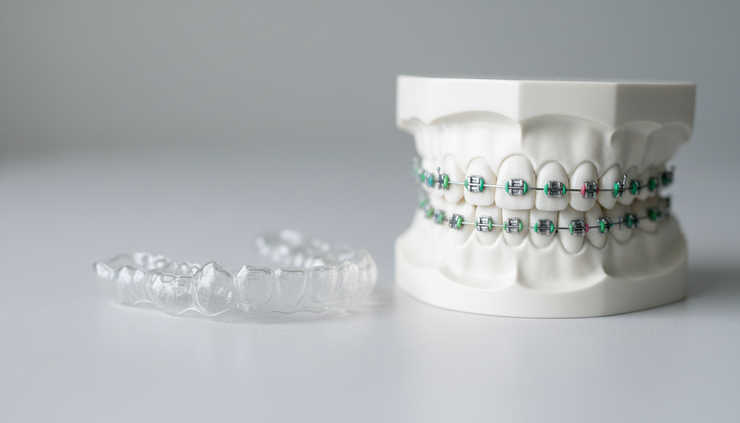
Clear aligners and braces both move teeth through controlled pressure. The difference is how that pressure is applied.
Clear aligners use a series of removable, transparent trays. Each tray is shaped slightly differently, guiding the teeth step by step. Patients usually switch to the next set on a schedule given by the dentist or orthodontist. The trays must be worn for most of the day to work as planned.
Traditional braces use brackets that attach to the teeth and wires that connect them. The wires apply steady pressure, and the orthodontist adjusts them during visits. Since braces are fixed in place, they work continuously.
That one difference, removable versus fixed, affects almost everything else.
Clear aligners are removable and discreet
Clear aligners appeal to many adults and teens because they are hard to notice in everyday life. They can be removed for eating, brushing, and flossing. That can make meals and oral hygiene feel more normal.
However, removability also creates responsibility. If aligners are not worn as directed, treatment can slow down or become less predictable.
Braces are fixed and highly controlled
Braces stay on the teeth until treatment is complete. That means there is no need to remember to put them back in after meals or after brushing. For patients who prefer a “set it and follow the plan” approach, this can be helpful.
Braces can also handle a wide range of tooth and bite problems. They are often recommended for more complex cases, especially when certain tooth movements require more control.
Treatment duration depends on the case, not just the appliance
Many people ask if clear aligners are faster than braces. The honest answer is that treatment time depends more on the case than the tool.
Mild spacing or crowding may take less time than a complex bite correction. A patient who wears aligners exactly as instructed may finish on schedule, while inconsistent wear can extend treatment. Braces keep working all day because they are fixed, but they still require regular adjustments and good oral care.
In many cases, orthodontic treatment can take several months to a few years. The exact timeline depends on:
The amount of crowding or spacing
Bite issues such as overbite, underbite, or crossbite
Tooth movement goals
Gum and bone health
Age and growth stage
Consistency with instructions
Missed or delayed appointments
Therefore, the best way to compare timelines is through a personalized exam. A dentist or orthodontist can take digital scans, photos, or X-rays, then explain which option fits the case.
When clear aligners may be efficient
Clear aligners can work well for mild to moderate crowding, small gaps, and certain bite adjustments. They may also suit people who can follow a wear schedule carefully.
For example, someone who removes aligners only for meals and cleaning may stay very close to the planned timeline. By contrast, someone who often forgets to wear them may need refinements or extra trays.
When braces may be the better tool
Traditional braces may be better for more complex movements, significant crowding, rotated teeth, or bite problems that need stronger control. Since brackets and wires are fixed, the appliance does not depend on daily wear decisions in the same way.
That does not mean braces are always slower or aligners are always easier. It means the treatment plan should match the teeth, not just the preference.

Appearance can affect confidence during treatment
Aesthetic appeal is one of the biggest reasons patients ask about aligners. Clear aligners are nearly invisible from a normal speaking distance. For people who give presentations, attend events, take photos often, or simply prefer a low-profile treatment, this can be a major benefit.
Braces are more visible. Metal brackets and wires show when speaking and smiling. Some patients do not mind this at all. Others feel self-conscious at first, then adjust quickly once treatment becomes part of daily life.
There are also aesthetic variations. Some clinics may offer ceramic braces, which use tooth-colored or clear brackets. These are less noticeable than metal braces, though they may not be suitable for every case.
Clear aligners fit a low-profile lifestyle
Clear aligners tend to blend into daily routines where appearance matters. They can be especially appealing for adults who want orthodontic treatment without drawing attention to it.
They are also removable for special moments. For instance, a patient may remove them briefly for a meal, a formal photo, or a special event. Still, aligners must go back in afterward to protect treatment progress.
Braces make treatment visible but predictable
Traditional braces are visible, yet they also remove the worry of losing trays or forgetting wear time. For many patients, that tradeoff makes sense.
Some younger patients even enjoy choosing colored elastic bands. This can make braces feel more personal and less clinical. Adults may prefer neutral colors for a cleaner look.
Daily comfort and routine may be the deciding factor
Comfort is not only about soreness. It is also about eating, speaking, cleaning, and managing small inconveniences.
Both clear aligners and braces can cause pressure or tenderness after a new tray or adjustment. This is normal because the teeth are moving. The feeling usually eases as the mouth adapts.
However, the daily experience differs.
Eating with clear aligners
Clear aligners are removed before eating. That means there are usually no appliance-related food restrictions. Sticky, crunchy, and chewy foods are less of a concern because the trays are not in the mouth during meals.
The tradeoff is hygiene. After eating, teeth should be cleaned before the aligners go back in. If brushing is not possible, rinsing well can help until proper brushing can be done. Wearing aligners over food debris may increase odor, staining, or plaque buildup.
Aligners also need safe storage. Wrapping them in a napkin during lunch can lead to accidental loss. A case should become part of the routine.
Eating with braces
Braces stay in place while eating, so certain foods need caution. Hard foods can damage brackets. Sticky foods can pull at wires. Crunchy foods may need to be cut into smaller pieces.
Common foods that may require extra care include:
Popcorn
Nuts
Hard candy
Chewy caramels
Whole apples or raw carrots
Tough breads or crusts
This does not mean meals become difficult. It means patients need to adjust habits. Cutting food into smaller bites and avoiding risky textures can help protect the appliance.
Cleaning clear aligners and braces
Clear aligners make brushing and flossing more familiar because they come out. Patients can clean their teeth without brackets or wires in the way. The trays also need separate cleaning, based on the dentist’s instructions.
Braces require more detailed cleaning. Food can collect around brackets and under wires. A regular toothbrush may not reach every area, so patients often need tools such as interdental brushes, floss threaders, or a water flosser.
Good oral hygiene matters with both choices. With braces, it may take more time. With aligners, the challenge is cleaning before putting trays back in.

Lifestyle fit is about honesty, not just preference
The best orthodontic choice often comes down to daily behavior. That is why a consultation should include lifestyle questions, not only photos and scans.
Clear aligners may fit well for someone who is organized, consistent, and comfortable removing trays before meals. They also suit people who value a discreet look.
Traditional braces may fit better for someone who wants treatment to keep working without remembering trays. They may also be the stronger choice for complex cases.
Here is a simple comparison.
Clear aligners
Nearly invisible during wear
Removable for eating and cleaning
Requires strong wear-time discipline
Usually fewer food restrictions
Easier brushing and flossing routine
May suit mild to moderate cases
Traditional braces
Visible brackets and wires
Fixed in place all day
Less dependent on patient wear habits
Some food restrictions protect brackets
Cleaning takes more time and tools
Often suitable for simple and complex cases
Clear aligners may fit this lifestyle
Clear aligners may be a strong match if the patient:
Wants a more discreet appearance
Can wear trays as instructed
Prefers removing appliances for meals
Has a routine that supports brushing after eating
Has a case that aligners can treat well
Braces may fit this lifestyle
Traditional braces may be a strong match if the patient:
Wants a fixed appliance that stays in place
Has a more complex bite or tooth movement need
Does not want to track aligner wear time
Can adjust food habits during treatment
Is willing to spend more time cleaning around brackets
For patients comparing options in Cairo, a clinical exam can clarify what is realistic. Cultural, school, work, and travel routines can all shape the final decision, especially when follow-up visits need to fit a busy schedule.
Cost, visits, and follow-up care also matter
Cost can vary based on case complexity, treatment length, materials, and clinic protocols. In some cases, clear aligners may cost more than metal braces. In other cases, fees may be closer. Since pricing varies, the most reliable estimate comes after an examination.
Visit schedules can also differ. Braces usually need periodic adjustment visits. Clear aligner treatment may involve check-ins to monitor tracking, receive new trays, or make refinements.
After either treatment, retainers are usually needed. Teeth can shift after orthodontic treatment if retainers are not worn as instructed. This applies to both aligners and braces.
That means the decision is not only about getting straight teeth. It is also about maintaining the result.
Questions to ask before choosing
A good consultation should leave the patient with clear answers. Before deciding, ask:
Which option can treat this specific case more predictably?
How long is treatment expected to take?
How often are follow-up visits needed?
What happens if aligners are not worn enough?
What foods should be avoided with braces?
How will brushing and flossing change?
Will attachments, elastics, or other tools be needed?
What type of retainer is recommended after treatment?
These questions make the comparison practical. They also help prevent surprises after treatment begins.
If you are ready to compare your options with a dentist, you can book a consultation with ADC Clinics and discuss which treatment fits your teeth, schedule, and daily routine.
Frequently asked questions
Are clear aligners as effective as braces?
Clear aligners can be very effective for many mild to moderate cases. Braces may be better for complex tooth movements or bite correction. The right choice depends on an exam and treatment plan.
Do clear aligners hurt less than braces?
Both can cause pressure or soreness when teeth begin moving. Clear aligners may feel smoother because they do not have brackets or wires, but each new tray can still feel tight at first.
Can I eat normally with clear aligners?
Yes, because aligners are removed before eating. The main habit change is cleaning the teeth before putting the trays back in.
Do braces work faster than clear aligners?
Not always. Treatment speed depends on the case, the treatment plan, and how well instructions are followed. Fixed braces work continuously, while aligners depend on consistent wear.
Will I need a retainer after treatment?
Most patients need a retainer after either clear aligners or braces. Retainers help hold the teeth in their new positions and protect the final result.

The best choice is the one that fits both the teeth and the routine
Clear aligners offer a discreet look, removable trays, and easier cleaning. They work best when the patient can follow the wear schedule carefully. Traditional braces are visible, but they are fixed, reliable, and suitable for many simple and complex cases.
The smartest choice is not based on appearance alone. It should reflect the bite, treatment goals, comfort level, food habits, cleaning routine, and ability to stay consistent.
A personalized consultation can turn a broad comparison into a clear plan. Once the teeth are examined, the right path usually becomes much easier to see.


Comments