
The harms of smoking and its impact on dental health and dental implants

Smoking directly affects oral and dental health and increases the risk of developing multiple problems that may eventually lead to tooth loss. In addition, smoking negatively impacts the success of dental implant procedures, making it essential to clearly understand the harm smoking can cause to both teeth and dental implants. In this article, we explore how smoking affects oral and dental health, and why smokers should be especially cautious when considering dental implants.
How does smoking affect dental health?
Smoking causes many problems that affect the health of the teeth and mouth, including:
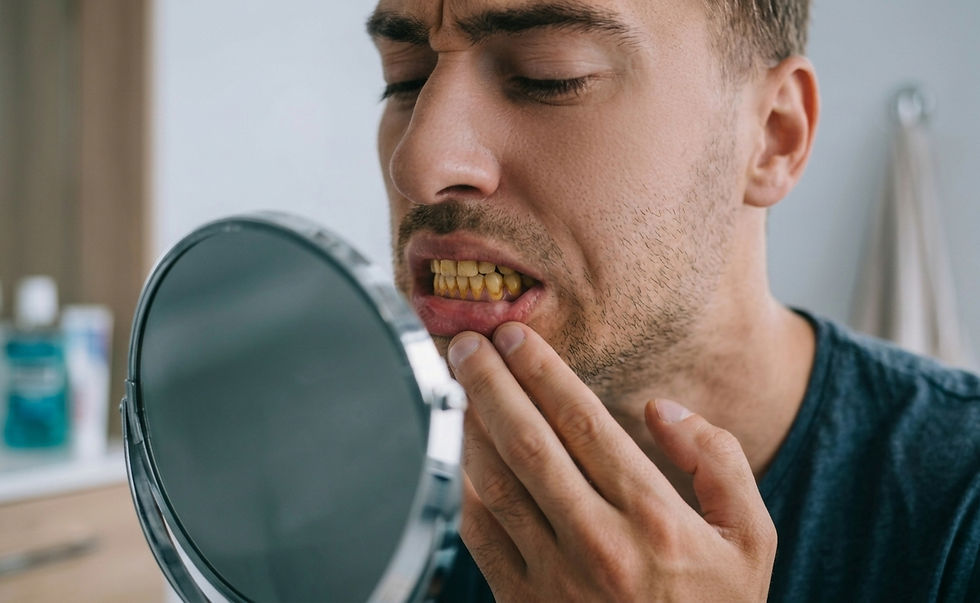
Tooth discoloration: Nicotine and tar in cigarettes leave yellow or brown stains on the teeth, affecting their appearance and making them look unhealthy.
Bad breath: Smoking causes dry mouth and reduces saliva production, leading to bacterial buildup and bad breath.
Gum inflammation: Chemicals in cigarettes weaken the immune system in the mouth, making the gums more prone to inflammation and bleeding.
Gum recession: Smoking accelerates gum recession, exposing tooth roots and increasing tooth sensitivity.
Tooth decay: Reduced saliva flow due to smoking decreases the mouth’s ability to clean itself, increasing the risk of cavities.
These problems not only affect appearance but can also lead to serious health issues that may require complex treatment.
The harms of smoking on dental implants
Dental implants depend on healthy bone and gums to successfully support the implant. Smoking affects these factors in several ways:
Delayed wound healing: Smoking reduces blood flow to the gums and bone, slowing the healing process after dental implant surgery.
Higher failure risk: Studies show that smokers have higher implant failure rates compared to non-smokers.
Post-surgical infections: Smoking increases the likelihood of infections at the implant site, which may lead to implant loss.
Bone deterioration: Smoking accelerates bone loss around the implant, reducing its stability and affecting the success of the procedure.
For this reason, doctors strongly recommend stopping smoking before and after dental implant procedures to ensure the best possible results.
Tips for maintaining dental health for smokers
If you are a smoker, there are steps you can take to reduce the damage smoking causes to teeth and dental implants:
Regular dental visits: Early detection of gum and dental problems helps treat them before they worsen.
Proper oral hygiene: Using a soft toothbrush, dental floss, and mouthwash reduces plaque and bacteria buildup.
Quitting smoking: Even temporary cessation before and after implants improves the success rate.
Healthy diet: Eating foods rich in vitamins and minerals supports gum and bone health.
Drinking plenty of water: Helps keep the mouth moist and reduces smoking-related dryness.
The effect of quitting smoking on oral health and dental implants
Quitting smoking has major benefits for oral health, including:
Improved tooth color: Reduces stains and makes teeth look healthier.
Reduced gum inflammation: Blood flow to the gums improves, enhancing their ability to resist infection.
Higher implant success rate: Reduces failure risk and promotes faster healing.
Better breath: Reduces bacterial buildup and improves freshness.
Even after years of smoking, the body can begin to recover gradually, making quitting an important step for anyone concerned about oral health.
Real cases showing the harms of smoking on teeth and dental implants
In one case recorded at a dental clinic, a patient had been a smoker for more than 15 years. After undergoing a dental implant procedure, the doctor noticed delayed healing and inflammation at the implant site. After advising the patient to quit smoking, the condition improved significantly within weeks, helping stabilize the implant.
In another case, a patient suffered from gum recession and advanced tooth decay due to smoking. After quitting smoking and following an intensive treatment plan, the patient was able to preserve their natural teeth for a longer period and delay the need for implants.
These examples confirm that the harms of smoking on teeth and dental implants are not just theoretical, but a real issue affecting many people’s lives.


Comments